

We usually describe ambition with the story of the bricklayer who, asked what he’s doing, says he isn’t laying bricks , he’s building a cathedral. It’s a good story about vision. But it’s the wrong story for most founders, because a business isn’t a cathedral. A cathedral gets finished. You pour the foundation, raise the walls, and one day you stop. A business is never finished. It grows, gets sick, throws off shoots you didn’t plan for, and dies the moment you stop paying attention.
That’s a garden, not a building. And the difference between an owner’s mindset and an employee’s mindset comes down to which one you think you’re running. An employee shows up to lay the bricks they were handed. An owner walks the whole plot every morning and decides what gets water, what gets pulled, and what gets planted next. Here’s what that looks like in practice.
 Soil before seeds
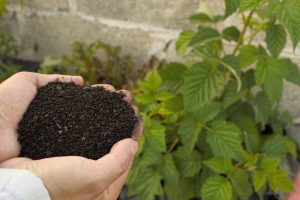
New founders obsess over the seed, the idea, the product, the clever feature. Gardeners know the secret is the soil. A brilliant plant in dead ground produces nothing; a mediocre one in rich soil thrives anyway.
In a business, the soil is everything the product grows in: the quality of your hiring, the clarity of how decisions get made, whether your numbers are trustworthy, whether customers actually get called back. It’s unglamorous and it’s where owners spend their time. Plenty of strong ideas have died in bad soil, and plenty of ordinary ones have flourished because the conditions underneath them were healthy. Before you fall in love with the seed, ask what it’s being planted in.
 Pruning is the hard part
Anyone can plant. The discipline that separates a real gardener from an enthusiastic amateur is the willingness to cut – and not just the dead stuff. You prune healthy branches, the ones that are growing fine, because they’re pulling energy away from where the plant should be putting it.
This is the decision founders avoid. Killing a failing product is easy; everyone agrees. The hard call is shutting down a profitable line, a loyal-but-distracting account, or a side project that works but quietly drains the focus of your best people. Owners make that cut. Employees protect everything they were given, because cutting feels like loss. In a garden, restraint is what produces the harvest.
A garden is a system, not a collection
A monoculture is fragile; one pest, one bad season, and the whole field goes. A real garden is an ecosystem where the parts support each other, and a good gardener arranges it deliberately rather than just planting more of whatever’s doing well.
The same is true of a team. The instinct is to hire more people who look like your strongest performer. The better move is to build a system where different strengths cover each other’s gaps , the visionary paired with the operator who ships, the salesperson balanced by the person who reads the contract. Your job as owner isn’t to be the best plant in the garden. It’s to arrange the bed so the whole thing produces more than the sum of its parts.
 Work with the season you’re in
You can’t make tomatoes ripen in January by wanting it more. Gardeners plant, tend, and harvest on the calendar the weather actually gives them, not the one they wish they had.
Businesses have seasons too , a market that’s suddenly cold, a technology shift, a stretch where the only job is to survive and keep the roots alive. Founders get into trouble when they force a harvest in the wrong season: scaling into a downturn, hiring ahead of revenue that isn’t coming, pushing for growth when the work is actually consolidation. Reading the season correctly, and matching your effort to it, is most of the skill.
Patience without passivity
 Gardens reward patience, but patience is not the same as waiting. A gardener is busy in every season , composting, testing soil, watching for early signs of trouble , even when nothing visible is growing. The patience is about the timeline. The activity never stops.
Founders who quit too early never see what a few more seasons would have produced. But “be patient” is bad advice on its own, because it sounds like permission to coast. The honest version is: keep doing the unglamorous work through the stretch where nothing seems to be happening, because that’s usually when the roots are going down. Results show up late and all at once.
 The owner walks the plot
The thread running through all of this is attention. A garden tells you what it needs if you’re out there looking , the wilting leaf, the crowded bed, the patch that never gets sun. The employee mindset waits to be told what to do. The owner mindset walks the whole plot, notices what the to-do list would never have flagged, and acts before it becomes a problem.
You don’t build a business the way you build a cathedral, with a finish line and a ribbon-cutting. You tend it , choosing what to plant, what to cut, and what to leave alone this season , and you keep showing up. That’s the work, and it’s the same work whether the garden is one bed or a hundred.